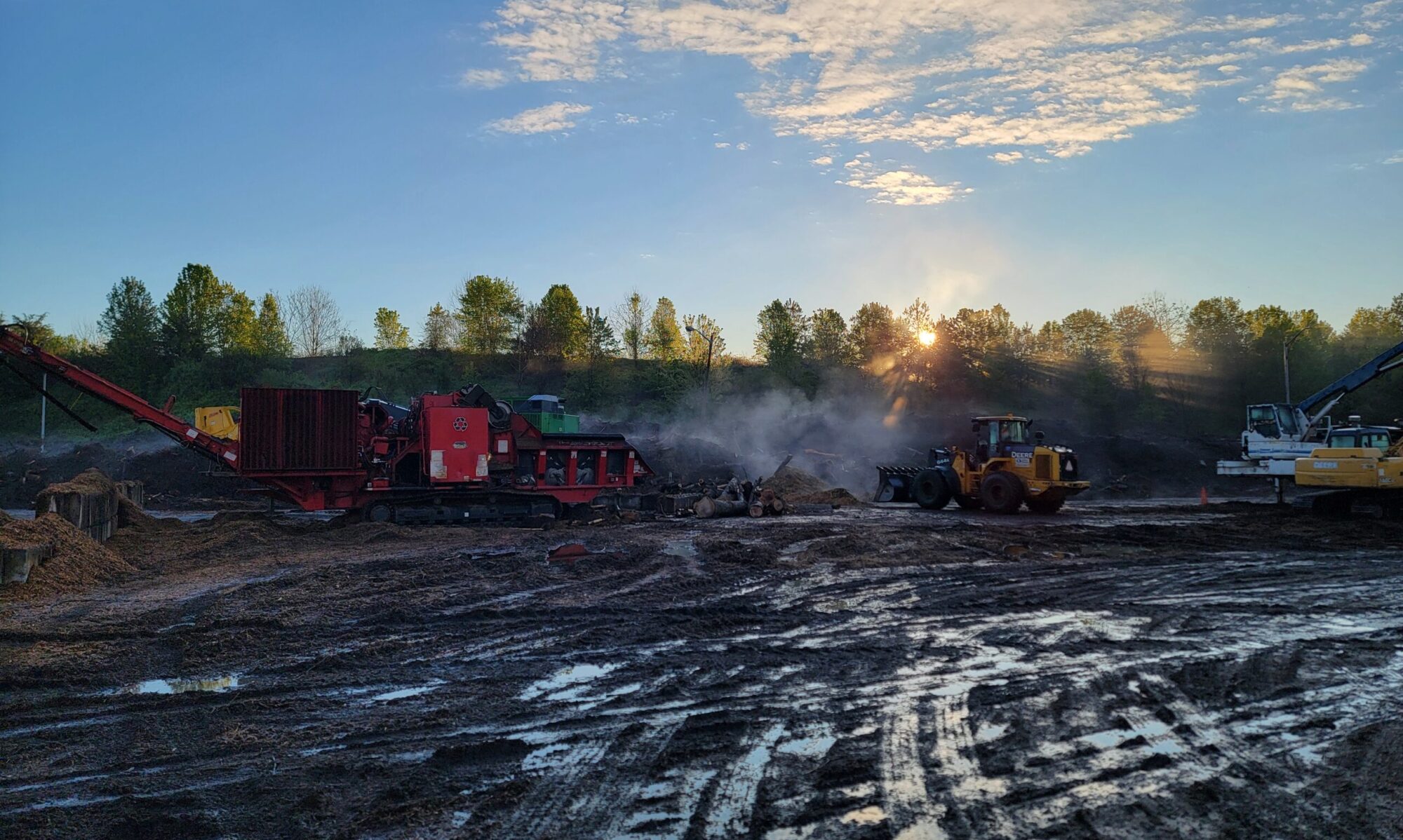
Richmond VA’s Trusted Land Clearing, Logging & Excavation Contractor
Central Virginia’s Full-Service Land Clearing & Logging Contractor
Since 1989, R.L. Elliott Enterprises Inc. has been the contractor that builders, developers, landowners, and utility companies call when they need land cleared right. Based in Ashland, Virginia, we handle everything from clearing a single residential lot to logging 100+ acre timber tracts — with our own equipment, our own crews, and one invoice.
We hold a Virginia Class A Contractor’s License — the highest level issued by the state — qualifying us for projects of any size and scope. Whether you’re a homeowner building on a new lot, a developer preparing a commercial site, or a landowner managing timber, we have the experience and equipment to get it done safely, efficiently, and on schedule.
Our Services

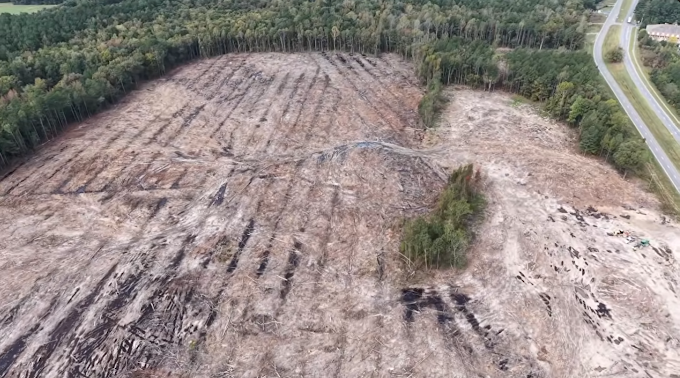
R.L. Elliott Enterprises offers a complete range of land clearing, logging, forestry mulching, and wood grinding services across Central Virginia. As a full-service contractor, we eliminate the need to coordinate between multiple companies — saving you time, money, and headaches.
Land Clearing
Residential lots, commercial sites, and large-scale clearing projects. We remove trees, stumps, brush, and debris to deliver construction-ready sites. From half-acre lots to 100+ acre developments.
Learn More →Forestry Mulching
The most cost-effective way to clear brush, small trees, and overgrown vegetation. One machine grinds everything into mulch on-site — no hauling, no burning, minimal soil disturbance.
Learn More →Excavation
Foundation excavation, drainage systems, driveway construction, and utility trenching. We handle the earthwork needed to keep your project moving forward.
Learn More →Logging & Timber Harvesting
Full-service timber harvesting for Virginia landowners. We assess your timber value, manage the harvest, and ensure you get top dollar. Our relationships with local sawmills guarantee competitive pricing.
Learn More →Tub Grinding & Wood Processing
Our horizontal and tub grinders process land clearing debris, storm damage, and waste wood into mulch and wood chips. Contract grinding for sawmills, utility companies, and municipalities.
Learn More →Wholesale Mulch & Wood Chips
We produce and distribute high-quality mulch and wood chips to landscaping companies, garden centers, and distributors throughout Virginia. Pickup and delivery available from our Ashland location.
Contact for Pricing →Why Virginia Contractors, Builders & Landowners Choose R.L. Elliott
35+ Years of Experience
Founded in 1989, we’ve completed thousands of projects across Central Virginia. From our first residential lot to multi-hundred-acre timber harvests, we’ve built our reputation one project at a time. Three decades of local experience means we know the land, the regulations, and the people.
One Contractor, One Invoice
Most projects require clearing, excavation, and grinding — which means coordinating multiple contractors. R.L. Elliott handles it all with our own equipment and crew. One point of contact, one schedule, one invoice. It’s simpler, faster, and more cost-effective.
Class A Licensed & Fully Insured
We hold Virginia’s highest contractor license — Class A — qualifying us for projects of unlimited size and value. We carry full liability insurance and workers’ compensation coverage. When you hire R.L. Elliott, you’re hiring a legitimate, professional operation.
Heavy Equipment Fleet
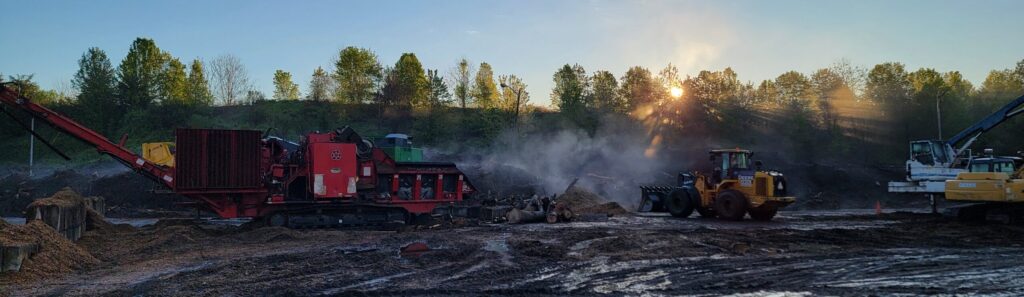
We operate a full fleet of modern heavy equipment: excavators, bulldozers, wheel loaders, forestry mulchers, large chippers, horizontal grinders, tub grinders, and logging equipment. Having the right machine for every job means reliable availability and competitive pricing.
How Land Clearing Works in Virginia: What Property Owners Need to Know
If you own undeveloped land in Virginia — or you’re buying a lot to build on — understanding how land clearing works will save you time, money, and surprises. Virginia’s climate, soil conditions, and local regulations make the process different from other states. Here’s what you should know before starting a project.
Virginia’s Landscape and Vegetation
Virginia sits in the transition zone between the Mid-Atlantic and Southeast regions, creating some of the most diverse forests on the East Coast. Central Virginia properties typically contain a mix of hardwoods (oak, hickory, poplar, maple) and softwoods (loblolly pine, Virginia pine). The dense undergrowth of vines, privet, and invasive species like English ivy and Tree of Heaven adds complexity to clearing projects.
This diversity means that clearing a Virginia property requires different techniques depending on what’s growing on it. A lot with mature hardwoods requires heavy excavation equipment and potentially timber harvesting. A property overgrown with brush and saplings is better suited to forestry mulching. Understanding your vegetation is the first step to getting an accurate estimate.
Permits and Regulations in Central Virginia
Virginia requires erosion and sediment control on all land-disturbing activities. The specific permit thresholds vary by locality:
- Hanover County: Land disturbance permits required for projects disturbing 10,000+ square feet
- City of Richmond: Permits required for disturbing 2,500+ square feet
- Henrico County: Tree removal permits may be required for trees above a certain diameter
- All localities: Erosion and sediment control plans required for larger projects, especially near waterways
A qualified contractor navigates these requirements as part of the project — not as an add-on. At R.L. Elliott, we handle permitting coordination in every jurisdiction we serve across Central Virginia.
Typical Land Clearing Costs in Virginia
Land clearing costs in Virginia depend on vegetation density, tree size, terrain, and project scope. Here are typical ranges for the Richmond metro area in 2026:
| Project Type | Typical Cost |
|---|---|
| Residential lot clearing (light vegetation) | $1,500 – $3,500 |
| Residential lot clearing (heavy forest, clear & grub) | $5,000 – $12,000+ |
| Per-acre clearing (light vegetation) | $1,500 – $3,000/acre |
| Per-acre clear & grub (heavy forest) | $5,000 – $12,000+/acre |
| Forestry mulching | $1,200 – $3,500/acre |
| Stump removal | $1,500 – $5,000 |
Want a detailed breakdown? Read our complete Virginia land clearing cost guide or request a free on-site estimate.
Best Time of Year for Land Clearing
Fall and winter (October through March) are generally the best seasons for land clearing in Virginia. The ground is firmer, there’s less active vegetation growth, and contractors typically have more availability. Spring and summer clearing is perfectly doable but may cost more if wet conditions require additional equipment or erosion control measures.
For forestry mulching specifically, winter is excellent — dormant vegetation mulches more efficiently, and the lack of leaf canopy improves operator visibility.
Logging in Virginia: A Guide for Landowners
Virginia is one of the top timber-producing states on the East Coast, with over 16 million acres of forestland covering roughly 62% of the state. The forestry and logging industry contributes billions to Virginia’s economy and supports thousands of jobs. If you own wooded property in Virginia, understanding how logging works can help you make informed decisions about your land and potentially generate significant income.
Virginia’s Timber Industry
Virginia’s timber industry harvests both hardwoods (used for furniture, flooring, cabinetry, and pallets) and softwoods (used for construction lumber, paper, and wood pellets). The most commercially valuable species in Central Virginia include:
- Loblolly Pine — The most commercially important tree in the Southeast. Fast-growing, widely planted, used for lumber and pulpwood.
- White Oak — Highly valued for bourbon barrels, furniture, and flooring. Premium prices for quality logs.
- Red Oak — Common in Virginia’s Piedmont region. Used for furniture, cabinets, and flooring.
- Yellow Poplar (Tulip Tree) — Fast-growing hardwood used for furniture, plywood, and pulpwood. Virginia’s tallest native hardwood.
- Virginia Pine — Commonly found in Central Virginia. Used for pulpwood and wood chips.
How Timber Harvesting Works
A professional timber harvest in Virginia typically follows this process:
- Timber Assessment: A logging contractor or consulting forester walks your property, identifies marketable trees, estimates volume, and determines the best harvesting approach.
- Timber Sale Agreement: You and the logger agree on terms — either a lump-sum purchase price for standing timber or a pay-as-cut arrangement based on actual volume harvested.
- Harvesting: The logging crew fells, skids, and loads timber. In Virginia, most operations use mechanized equipment (feller-bunchers, skidders, loaders) for efficiency and safety.
- Transport: Logs are trucked to sawmills, paper mills, or chip mills. The destination depends on the species, size, and quality of each log.
- Site Cleanup: After harvesting, the site is cleaned up according to Virginia’s Best Management Practices (BMPs) for forestry, including stabilizing roads and controlling erosion.
R.L. Elliott Enterprises provides free timber assessments for Virginia landowners. We’ll walk your property, evaluate your timber, and give you an honest assessment of its value. Learn more about our logging services.
Virginia’s Forestry Best Management Practices (BMPs)
Virginia’s Department of Forestry has established Best Management Practices that all logging operations should follow. These BMPs protect water quality, minimize soil erosion, and ensure sustainable forest management. Key requirements include:
- Streamside Management Zones (SMZs) — Buffer zones along streams where harvesting is restricted to protect water quality
- Proper road and skid trail construction — Logging roads must include drainage features to prevent erosion
- Stream crossing standards — Bridges or culverts must be properly sized and installed
- Post-harvest stabilization — Disturbed areas must be seeded or stabilized after operations conclude
At R.L. Elliott Enterprises, we follow Virginia’s BMPs on every logging operation. Responsible forestry isn’t just good practice — it protects your land’s long-term value and ensures compliance with state regulations.
Areas We Serve
R.L. Elliott Enterprises is headquartered in Ashland, Virginia and serves the entire Central Virginia region. Our primary service areas include:
- Ashland, VA (Headquarters)
- Richmond, VA
- Hanover County
- Mechanicsville, VA
- New Kent County
- King William County
- Louisa County
- All of Central Virginia
For large-scale logging and grinding projects, we travel throughout the Commonwealth of Virginia. Contact us to discuss your project location.
Our Certifications & Credentials
Licensed, insured, and certified — the credentials that set us apart.

Virginia Class A
Contractor’s License

SWAM Certified
Small Business

International Chippers
Association Member
Frequently Asked Questions
How much does land clearing cost in Virginia?
Land clearing costs in Virginia typically range from $1,200 to $5,000 per acre, depending on vegetation density, tree size, terrain, and accessibility. A typical residential lot (0.25–0.5 acre) costs $1,200 to $4,000 to clear. Forestry mulching is generally 20–40% cheaper than traditional clearing for properties with light to moderate vegetation. The best way to get an accurate price is to have a contractor walk your property — R.L. Elliott provides free on-site estimates throughout Central Virginia.
What is the difference between forestry mulching and traditional land clearing?
Forestry mulching uses a single machine to grind standing trees and brush into mulch in one pass, leaving the mulch on-site to protect the soil. Traditional land clearing uses excavators and bulldozers to push over and remove trees, then processes or hauls the debris. Forestry mulching is faster, cheaper, and better for erosion control, but it’s limited to trees under 8 inches in diameter. Traditional clearing can handle any size tree and is necessary when you need the site graded for construction. Read our complete forestry mulching vs. land clearing comparison.
Do I need a permit to clear land in Virginia?
In most Virginia localities, yes. Land disturbance permits are required when you disturb a certain amount of land — 10,000 square feet in Hanover County and 2,500 square feet in the City of Richmond. Some localities also require tree removal permits for trees above a certain diameter. R.L. Elliott Enterprises helps our clients navigate the permitting process in every jurisdiction we serve across Central Virginia.
How long does it take to clear a lot for new construction?
The physical clearing of a typical residential lot takes 3 to 7 days. However, the total timeline from raw lot to construction-ready is usually 3 to 6 weeks because of the permitting process. The permits take longer than the actual work. We recommend starting the permitting process as early as possible while coordinating your clearing schedule. Read our guide on how to prepare your lot for new home construction.
Is my timber worth anything?
If you have mature trees — particularly hardwoods like oak or commercially planted pines over 15 years old — your timber likely has value. Timber prices fluctuate with market conditions, but a quality stand of timber can generate thousands of dollars in revenue that offsets your clearing costs. R.L. Elliott provides free timber assessments to determine if your trees have marketable value before any clearing begins.
What areas in Virginia do you serve?
We are headquartered in Ashland, Virginia and primarily serve the Richmond metropolitan area including Hanover County, Henrico County, Mechanicsville, Chesterfield County, Caroline County, Goochland County, New Kent County, and the City of Richmond. For large-scale logging and grinding contracts, we work throughout the entire Commonwealth of Virginia.
Ready to Get Started?
Get a free on-site estimate for your land clearing, logging, or excavation project. No obligation — just honest advice from a contractor with 35+ years of experience.
Call (804) 550-1761
Request a Quote
10291 Kings Acres Road, Ashland, VA 23005 • Serving Central Virginia Since 1989